- +919625382039
- A 84 shastri nagar, 3, Ashok Vihar, Delhi, 110052
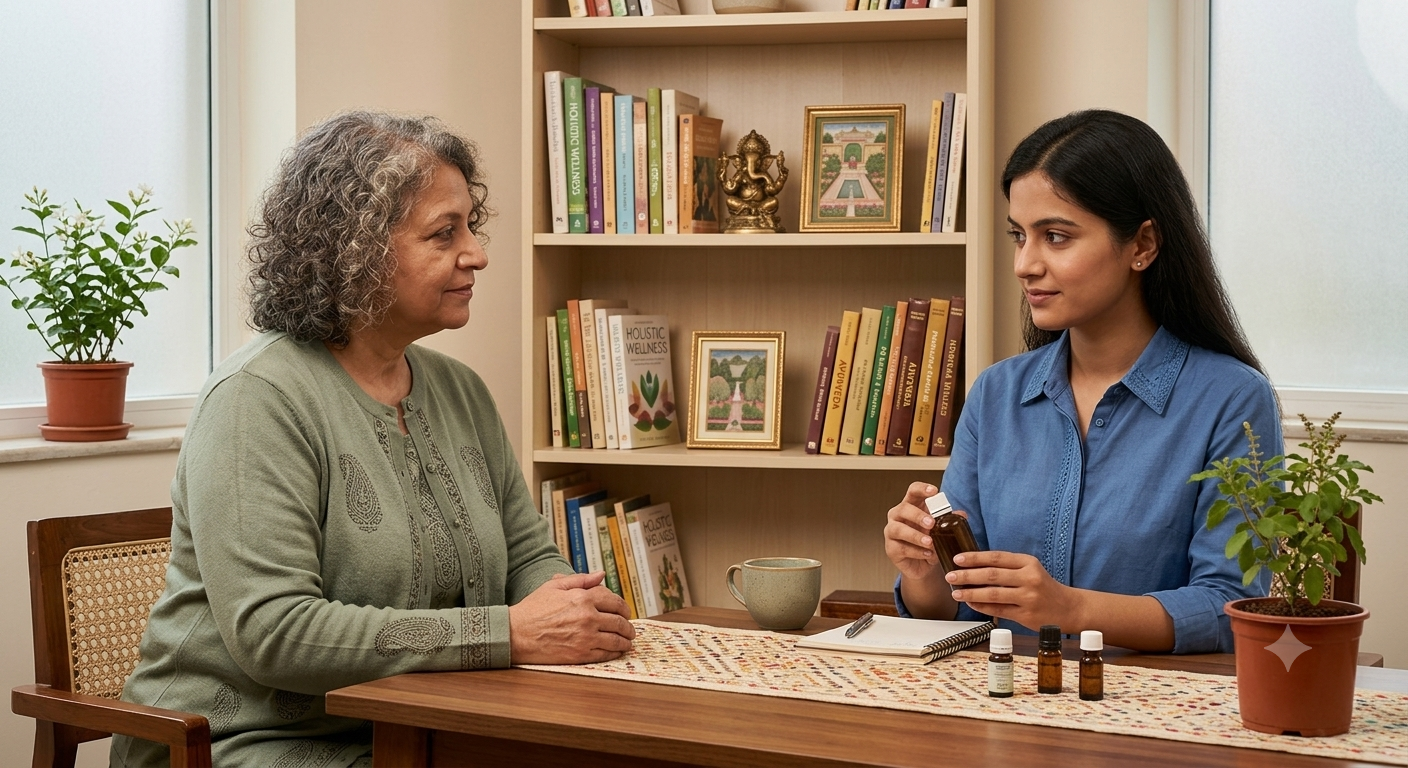
In today’s fast-paced world, stress and anxiety have become part of everyday conversation. From work pressures to family responsibilities to the constant pull of digital life, many people find themselves searching for ways to feel calmer and more balanced. Homeopathy is one approach that some people explore as part of a broader strategy for emotional wellbeing.
One of the founding ideas in classical homeopathy is that mental, emotional, and physical health are deeply interconnected — not separate systems to be treated in isolation. A homeopathic practitioner doesn’t just ask, “What physical symptoms are you having?” They also explore how you’re feeling emotionally, how you’re sleeping, what your stress triggers are, and how your body responds to that stress.
This whole-person approach is often what draws people to homeopathy when they’re navigating everyday stress or occasional anxious feelings — it treats emotional wellbeing as an integral part of the conversation, not an afterthought.
If you visit a homeopathic practitioner for support with stress or anxious feelings, you can generally expect a thorough, unhurried conversation covering:
This detailed case-taking is central to how homeopathy approaches emotional wellbeing — the goal is to understand your unique experience, not to apply a generic solution.
Homeopathic texts commonly discuss certain remedies in connection with stress-related states, including:
As with any homeopathic approach, remedy selection is individualized and should be guided by a qualified practitioner rather than self-selected from a general list.
Alongside any care you pursue, these general wellness habits may help support your emotional resilience:
Homeopathy is generally considered a complementary approach and should not replace professional mental health care. If you are experiencing persistent, severe, or worsening anxiety, or if stress is significantly impacting your daily functioning, please speak with a licensed doctor or mental health professional. Homeopathic care can be discussed alongside — not instead of — that support.
This article is intended for general informational purposes. If you’re going through a particularly difficult time emotionally, please know that support is available — reaching out to a trusted doctor, counselor, or mental health professional is a good first step.
Interested in exploring a whole-person approach to stress…..
For any online health consultation coonect Dr Pooja , schedule your appointment today…
All right reserved with © Dr. Pooja Jaiswal Homoeopathic clinic 2025